Anyone can make an app now. So what?
The democratisation of code is real. The democratisation of maintaining code is not.
The shorthand is vibe coding — you describe what you want, the model writes it, you describe what’s wrong, the model fixes it. No planning, no architecture, no reading the code unless it breaks (extreme view…).
Try it yourself. Pick something you know well and ask for it. It works astonishingly for the first eighty percent and falls apart in ways that aren’t obvious until you’re committed. The wall isn’t the model being wrong. It’s that nobody, including you, thought about what the thing actually was.
Every developer has their LLM benchmark. Simon Willison has the pelican on a bicycle. Mine is Galaga — constrained, well-known, crisp success criteria. The ship shoots and the bugs swarm in formation, or they don’t (come on gpt 5.5, opus 4.7, google/gemma-4-e4b, …).
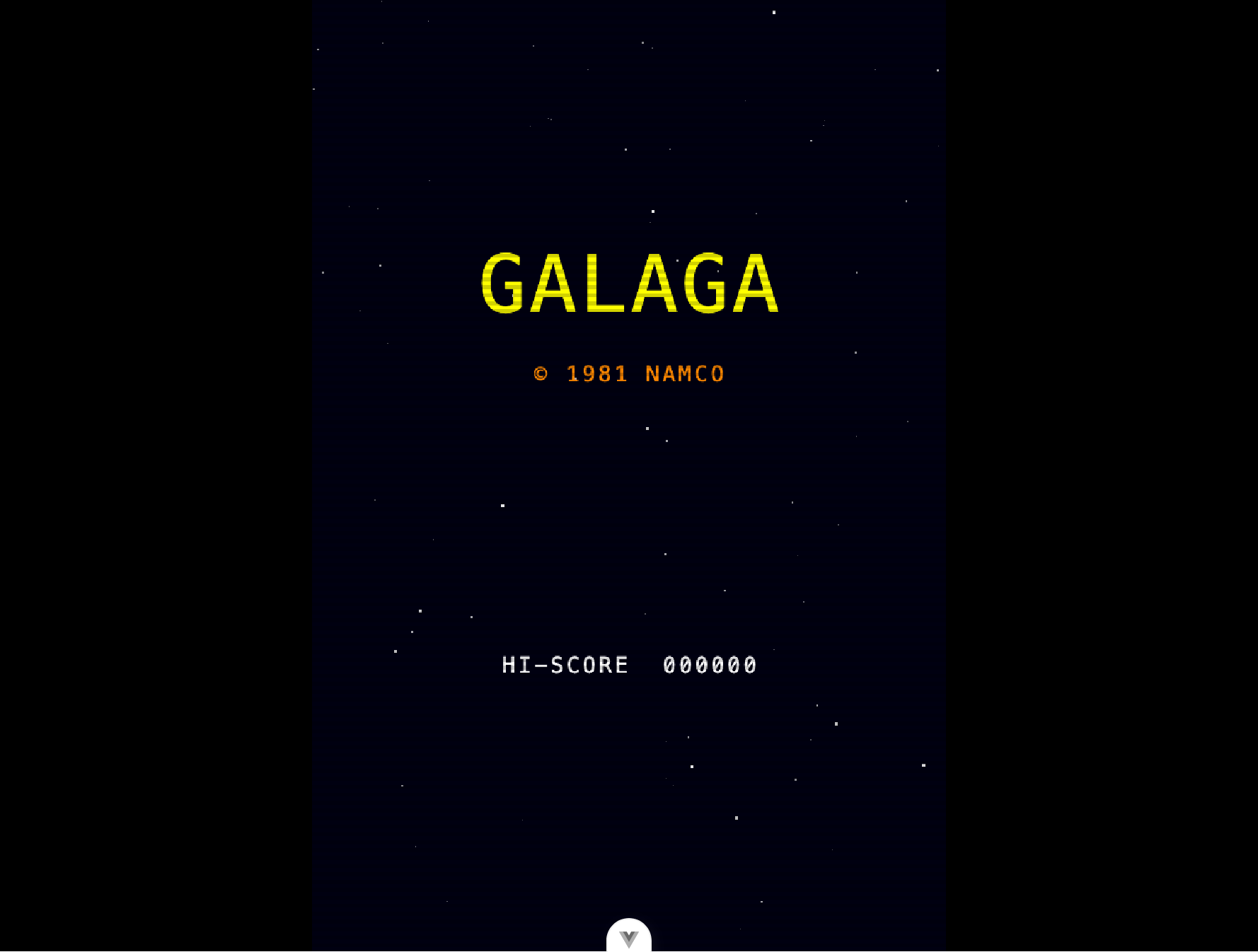
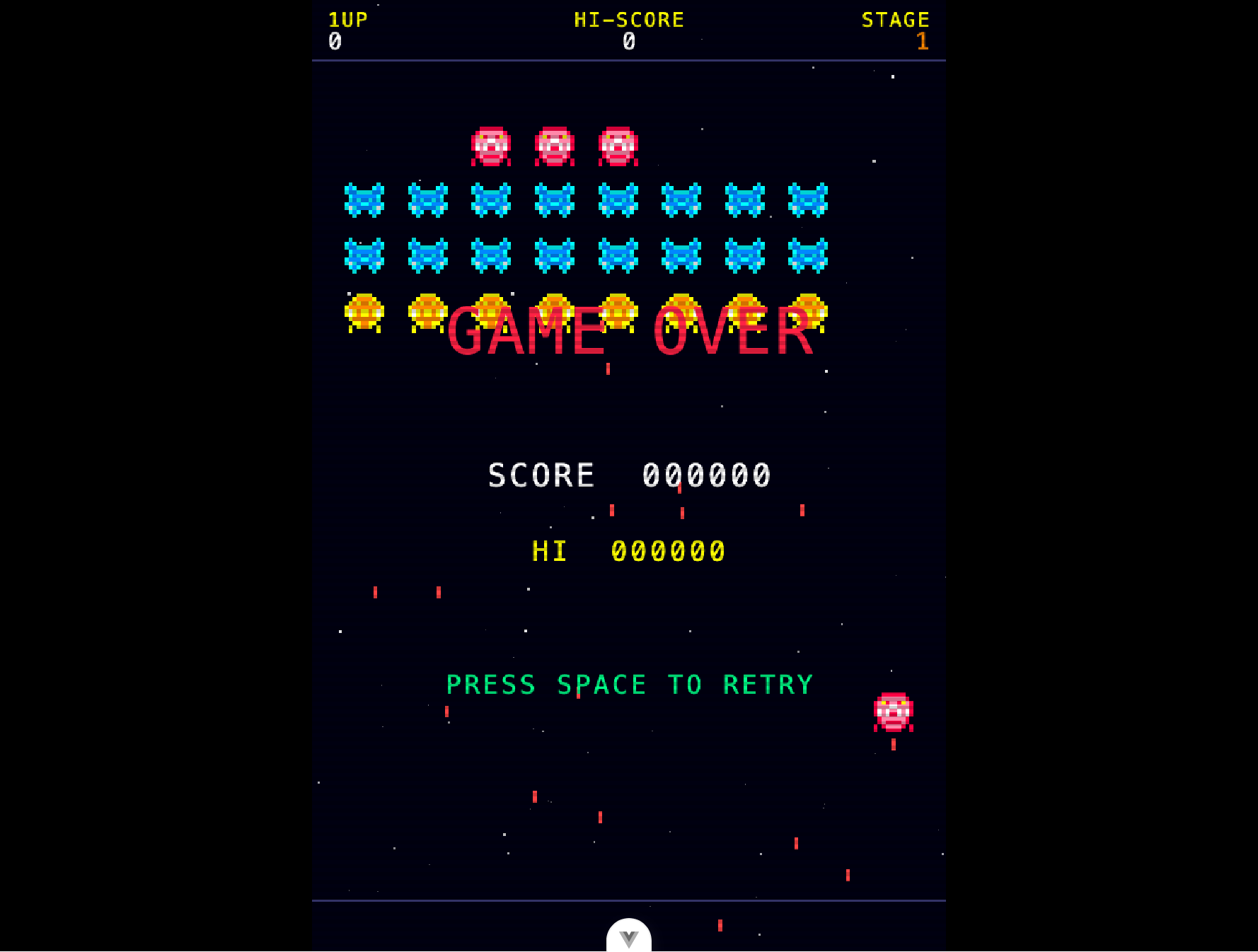
Check out the splash screen. Run the test on a capable model and there’s a decent chance it will, entirely unprompted, render a Namco copyright notice at the start. Nobody asked it to.
Play it on my art / personal projects site here.
Here’s the counter-intuitive bit coming from a dev consultancy: a lot of the SaaS people pay forty dollars a month per seat for is now a weekend project.
Not Stripe. Not Linear. But the long tail of tools that exist because building anything was hard — that economic logic is partly broken. The response from a dev shop shouldn’t be to replace every subscription with a custom app. It should be to help clients make better decisions: keep the product that works, connect the systems that need connecting, build the thin custom layer where the business is genuinely different, and make sure whatever ships can still be understood at month eighteen. The work isn’t the generation. It’s the judgement about what should be bought, built, wrapped, retired, or left alone.
This is easier now because the models are competent across the common stacks. Python, TypeScript, Go, Rust, React, native apps, Supabase, Vercel, Cloudflare: pick a technology with enough examples in the world and the model can find its footing.
So what does the future look like.
More software gets made. Most of it is disposable. The half-life of an app shrinks from years to weeks.
The work shifts. Less can you build this, more should this exist, will it survive, who’s going to be holding it in three years. The skills that matter are the ones that always mattered and were briefly hidden by the difficulty of typing the code in.
The democratisation of code is real. The democratisation of maintaining code is not.
That’s where we come in.